
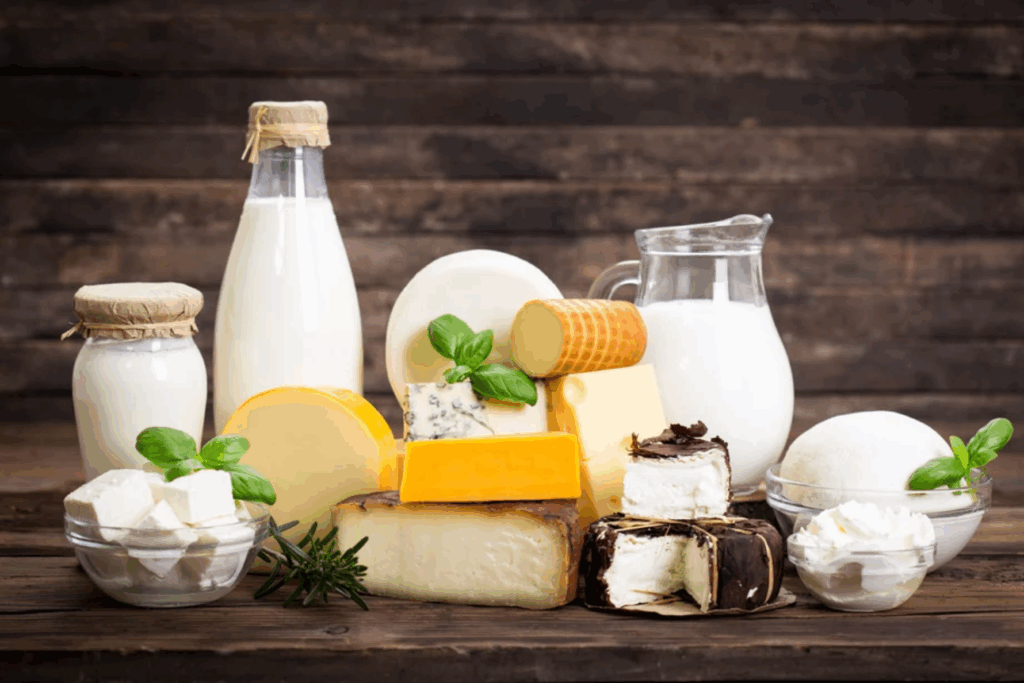
The dairy and food industries are entering 2025 in a period of rapid change. Consumer expectations are evolving, sustainability is no longer optional, and technology is transforming everything from farms to retail shelves. For producers, processors, and distributors, keeping up with these shifts is not just about staying competitive—it’s about survival.
Here are the key global market shifts shaping dairy and food in 2025:
1. Clean Label and Flavor Innovation
The clean label movement continues to gain ground. Shoppers want simple, transparent ingredient lists—no hidden additives, no artificial preservatives, and clear nutritional information. Dairy and food producers are responding with more natural formulations that highlight authenticity.
At the same time, consumers are looking for novel flavor experiences. Innovation has moved beyond vanilla and strawberry to exciting combinations like lemon biscuit yoghurt, mango-passionfruit smoothies, and chocolate-orange milk drinks. Clean label doesn’t mean boring—it means natural, but also creative. Brands that can strike this balance are winning over consumers worldwide.
2. Age Group Influence on Consumption
Different demographics are influencing the market in powerful ways:
- Gen Z & Millennials demand sustainable, functional, and convenient foods. They are driving the boom in plant-based alternatives, probiotic-rich yoghurts, and protein-packed snacks.
- Families with children seek fortified dairy products that support immunity, growth, and development. Functional milk powders and probiotic drinks are in high demand.
- Older consumers want foods that promote healthy aging, including calcium-rich dairy, high-protein yoghurts, and products designed for digestion and bone strength.
Producers must tailor their products to these diverse needs, creating segment-specific solutions rather than one-size-fits-all offerings.
3. Climate Change and Sustainability Pressures
Climate change is reshaping food and dairy supply chains. Extreme weather events, rising feed costs, and water shortages are putting pressure on production. Export powerhouses like New Zealand, the EU, and the U.S. face added challenges as sustainability regulations tighten.
In 2025, sustainability is a competitive advantage. Companies are reducing carbon footprints, investing in renewable energy, adopting water-efficient farming, and developing circular economy approaches to reduce waste. Consumers are rewarding businesses that take meaningful climate action, making sustainability central to growth strategies.
4. Technology as a Game-Changer
Digital transformation is accelerating across the food chain.
- Automation and robotics are reducing labor costs and improving efficiency in processing plants.
- AI and data analytics are being used to predict demand, cut waste, and optimize production.
- Blockchain and IoT enhance transparency, allowing consumers to trace products back to their source and ensuring food safety.
- On farms, precision feeding, smart sensors, and automated milking systems are boosting yields while improving animal welfare.
Technology is no longer optional—it’s the foundation of modern food and dairy production.
5. Functional and Health-Driven Foods
Consumers increasingly view food as part of their health toolkit. In 2025, the rise of functional foods is evident in fortified dairy and food products that support immunity, digestion, and overall wellness. Examples include probiotic yoghurts, protein-enriched milk drinks, omega-3 fortified products, and bio-protective cultures that naturally extend shelf life.
This trend aligns with the broader movement toward prevention over treatment, where nutrition plays a central role in daily health.
6. Premiumization and Convenience
Even in price-sensitive markets, consumers are willing to pay more for premium experiences—organic milk, artisanal cheeses, indulgent dessert-inspired yoghurts, or sustainably packaged foods. At the same time, the demand for convenience is growing, with ready-to-drink dairy beverages, single-serve cheese snacks, and grab-and-go meals gaining popularity.
Premium + convenient = growth. This formula is defining new product development in 2025.
7. Supply Chain Resilience and Regionalization
The pandemic and recent geopolitical tensions exposed how fragile global supply chains can be. In 2025, dairy and food companies are working to build resilience by:
- Diversifying suppliers to reduce dependency.
- Developing regional production hubs to supply nearby markets.
- Using digital logistics and predictive technologies to anticipate disruptions.
This regionalization is reshaping trade flows, with more emphasis on local and regional self-sufficiency, especially in fast-growing markets like Africa.
8. Africa’s Expanding Role
Africa is emerging as a critical growth region for both dairy and food. With its young population and rapid urbanization, the continent’s demand for nutritious and affordable products is rising sharply. Governments and investors are supporting local production, processing capacity, and value addition to reduce import dependency.
This creates opportunities for companies supplying starter cultures, natural flavors, processing machinery, preservatives, and food safety tools that help African producers deliver safe, high-quality products. Regional trade agreements are further boosting cross-border dairy and food commerce.
Conclusion
The global dairy and food industries in 2025 are being reshaped by clean label expectations, flavor innovation, demographic shifts, climate challenges, technological advances, functional health-driven products, premiumization, and supply chain resilience. Businesses that adapt to these realities with agility and foresight will not just survive—they will thrive. The future belongs to companies that combine innovation with responsibility, delivering products that meet evolving consumer needs while safeguarding the planet and ensuring sustainable growth.