
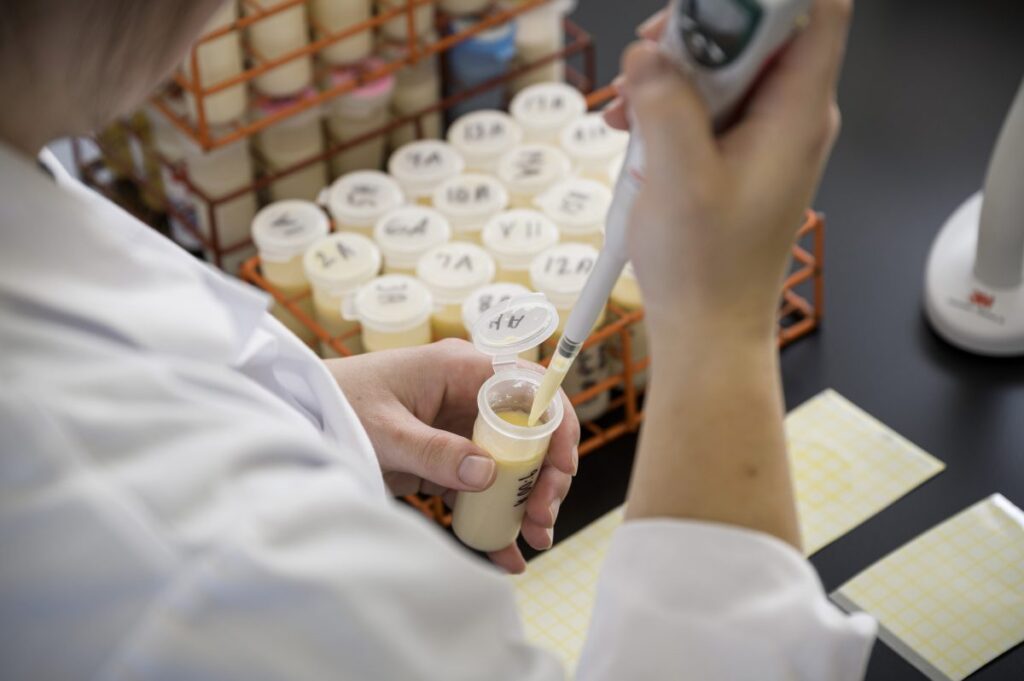
Antibiotics play an important role in dairy farming, especially when treating sick animals. But when these medicines end up in milk, they pose serious risks to consumers, processors, and dairy manufacturers. This article breaks down what antibiotics are, how they get into milk, the dangers of consuming contaminated milk, production challenges, and solutions — including rapid test kits available from Dairy and Food Consulting Limited.
🩺 What Are Antibiotics?
Antibiotics are medications used to treat bacterial infections in animals and humans. In dairy farming, they help treat mastitis, respiratory infections, and other diseases in cows. When used correctly, they protect animal welfare and keep herds healthy.
However, cows treated with antibiotics must observe a withdrawal period — a specific number of hours or days before their milk can be collected again — to ensure all residues are cleared from the animal’s system.
🥛 How Do Antibiotics Get Into Milk?
Antibiotic contamination happens when:
- A cow under treatment is milked and the milk is accidentally mixed with the rest.
- The withdrawal period is ignored or miscalculated.
- Treatment records are poorly kept.
- Farmers use unregulated or wrong dosages of antibiotics.
- There is carryover from improperly cleaned milking equipment.
This contamination can occur both at the farm level and collection centers.
⚠️ Health Effects of Consuming Milk Contaminated with Antibiotics
Antibiotic residues in milk can lead to serious health concerns, including:
1. Antibiotic Resistance
When people consume antibiotic traces, bacteria in the body can become resistant, making future infections harder to treat.
2. Allergic Reactions
Some individuals may experience allergic responses to antibiotic residues, especially children.
3. Gut Imbalance
Antibiotics can interfere with normal gut flora, affecting digestion and immunity.
4. Long-term Health Risks
Continuous exposure can increase the risk of chronic diseases linked to microbial imbalance.
🧫 Production Effects: Why Antibiotics Are a Big Problem for Dairy Processing
Antibiotic residues negatively impact dairy manufacturing because:
❌ They inhibit starter cultures
Yoghurt, cheese, and fermented milk rely on bacterial cultures. Antibiotic-contaminated milk stops fermentation, resulting in:
- Poor flavour
- Weak texture
- Incomplete fermentation
- Low yields
❌ Economic Losses for Manufacturers
A single batch contaminated with antibiotics can cause spoilage, downtime, and wastage of milk, ingredients, and labor.
❌ Regulatory Non-Compliance
Processors may fail quality checks, leading to penalties and product recalls.
🛡️ How to Prevent Antibiotics from Getting Into Milk
✔️ 1. Observe the Correct Withdrawal Period
After treatment, cows must be milked separately until the antibiotic clears completely.
✔️ 2. Keep Accurate Treatment Records
Documentation helps avoid accidental mixing.
✔️ 3. Train Farm Workers
Milk handlers should understand the risks and protocols around treated animals.
✔️ 4. Maintain Clean Milking Equipment
Cleaning prevents carryover from treated cows.
✔️ 5. Test Milk Regularly
Before receiving or processing milk, rapid tests help detect contamination early.
🔍 Rapid Antibiotic Test Kits Available at Dairy and Food Consulting Limited
2️⃣ 3in1 BST Test Kit
Detects: Beta-Lactams + Sulfonamides + Tetracyclines
A versatile and widely used kit that strengthens compliance with industry and regulatory standards.
3️⃣ 2in1 BT Test Kit
Detects: Beta-Lactams + Tetracyclines
A fast, reliable, and cost-effective test suitable for routine daily screening at farms and milk collection centers.
✅ Final Takeaway
Antibiotic contamination is a major threat to consumer health, dairy processing efficiency, and industry compliance — but it is preventable. Through proper farm management, training, and consistent testing, dairy processors can protect product quality and maintain trust with consumers.
Dairy and Food Consulting Limited is committed to supporting the industry with rapid, accurate antibiotic test kits to ensure safe, high-quality milk every time.