
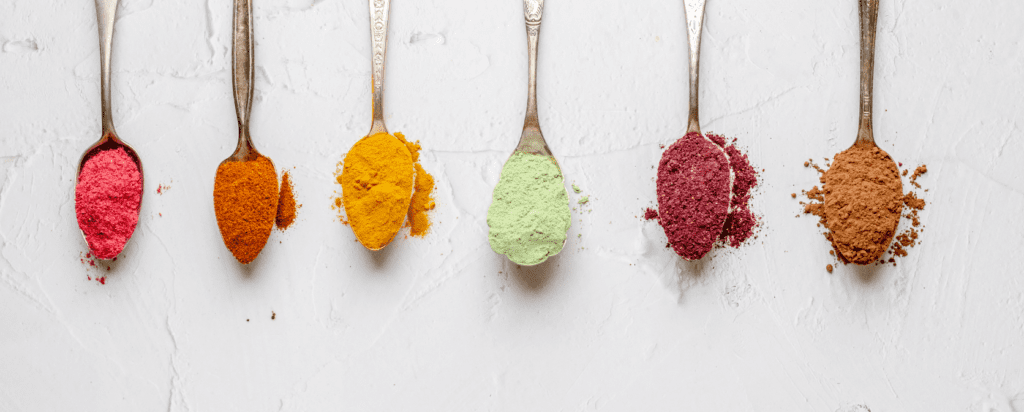
Introduction: The Power of First Impressions
In food and dairy products, the first impression is often visual. Before a consumer tastes a yogurt, sips a flavored milk, or cuts into a block of cheese, they are already forming expectations based on color. This single attribute strongly influences how flavor, freshness, and even quality are perceived.
For dairy and food manufacturers, color is not only about beauty—it is about psychology, branding, and consumer trust.
The Psychology of Color in Food
Colors trigger emotions and taste associations:
- Yellow & Orange → Associated with creaminess and richness (butter, cheese, margarine).
- Red & Pink → Suggest sweetness and fruitiness (strawberry yogurt, berry ice cream).
- Brown & Caramel → Linked to indulgence and warmth (chocolate milk, caramel desserts).
- White & Cream → Signals purity, freshness, and natural quality (milk, plain yogurt).
If the color and flavor don’t align—for example, a pale strawberry yogurt—consumers often feel disappointed, regardless of taste. This is why colors are carefully chosen for food and dairy applications.
Applications of Color in Dairy & Food
- Cheese & Butter → Warm yellows and oranges signal flavor intensity and richness.
- Yogurts & Ice Creams → Bright reds, pinks, and browns align with fruity and indulgent flavors.
- Milk & Cream → Clean whites symbolize freshness and wholesomeness.
- Desserts & Confectionery → Vibrant shades add appetite appeal and guide flavor expectations.
Key Natural and Food Colors in Dairy & Food
🌼 Lutein Extract
- Source: Marigold flowers.
- Hue: Bright yellow.
- Applications: Butter, cheese, beverages.
- Benefits: Provides a natural sunny hue while also supporting eye health. Popular with health-conscious consumers seeking functional as well as visual benefits.
❤️ Red Beet Extract
- Source: Beetroot.
- Hue: Deep red to pink.
- Applications: Yogurts, smoothies, dairy desserts.
- Benefits: Clean-label solution, derived from a nutritious vegetable. Appeals to consumers looking for wholesome, plant-based ingredients.
✨ Curcumin Extract
- Source: Turmeric root.
- Hue: Warm yellow-orange.
- Applications: Dairy beverages, snacks, processed cheese.
- Benefits: Dual purpose—provides color and delivers anti-inflammatory and antioxidant properties. Fits well in health-oriented products.
🔴 Carmine Extract
- Source: Cochineal insects.
- Hue: Vivid red.
- Applications: Ice creams, yogurts, confectionery.
- Benefits: Extremely stable, heat-resistant, and bold in appearance. Offers consistent, striking results, especially where bright red tones are needed.
🟠 Annatto Extract
- Source: Seeds of the achiote tree.
- Hue: Shades from yellow to orange.
- Applications: Widely used in cheddar cheese, butter, margarine.
- Benefits: Trusted traditional colorant, known for stability and strong pigment. Provides the classic cheese color consumers expect.
🍮 Caramel Extract
- Source: Controlled heating of sugars.
- Hue: Light to deep brown.
- Applications: Flavored milks, puddings, sauces, and desserts.
- Benefits: Delivers natural, warm tones and enhances the perception of sweetness and richness in indulgent products.
🔴 Ponceau 4R
- Source: Synthetic food dye (permitted under regulation).
- Hue: Bright red.
- Applications: Dairy beverages, fruit-flavored yogurts, confectionery.
- Benefits: Provides a strong, stable red color that remains vibrant during processing. Cost-effective, widely used in many markets (with controlled limits).
Why Colors Matter for Producers
- Enhances consumer appeal – Attractive colors increase purchase intent.
- Aligns with flavor expectations – Prevents mismatch between look and taste.
- Supports branding – Signature shades help products stand out.
- Builds trust – Natural and safe colors resonate with modern consumers.
Conclusion: Color as a Taste Experience
In dairy and food products, color is more than visual—it’s emotional, psychological, and functional. From the golden tones of annatto in cheese to the vibrant red of beet extract in yogurt, every shade tells a story and sets an expectation.
By carefully choosing natural and approved colors, producers not only enhance visual appeal but also create consistency, build consumer trust, and deliver a complete sensory experience.