
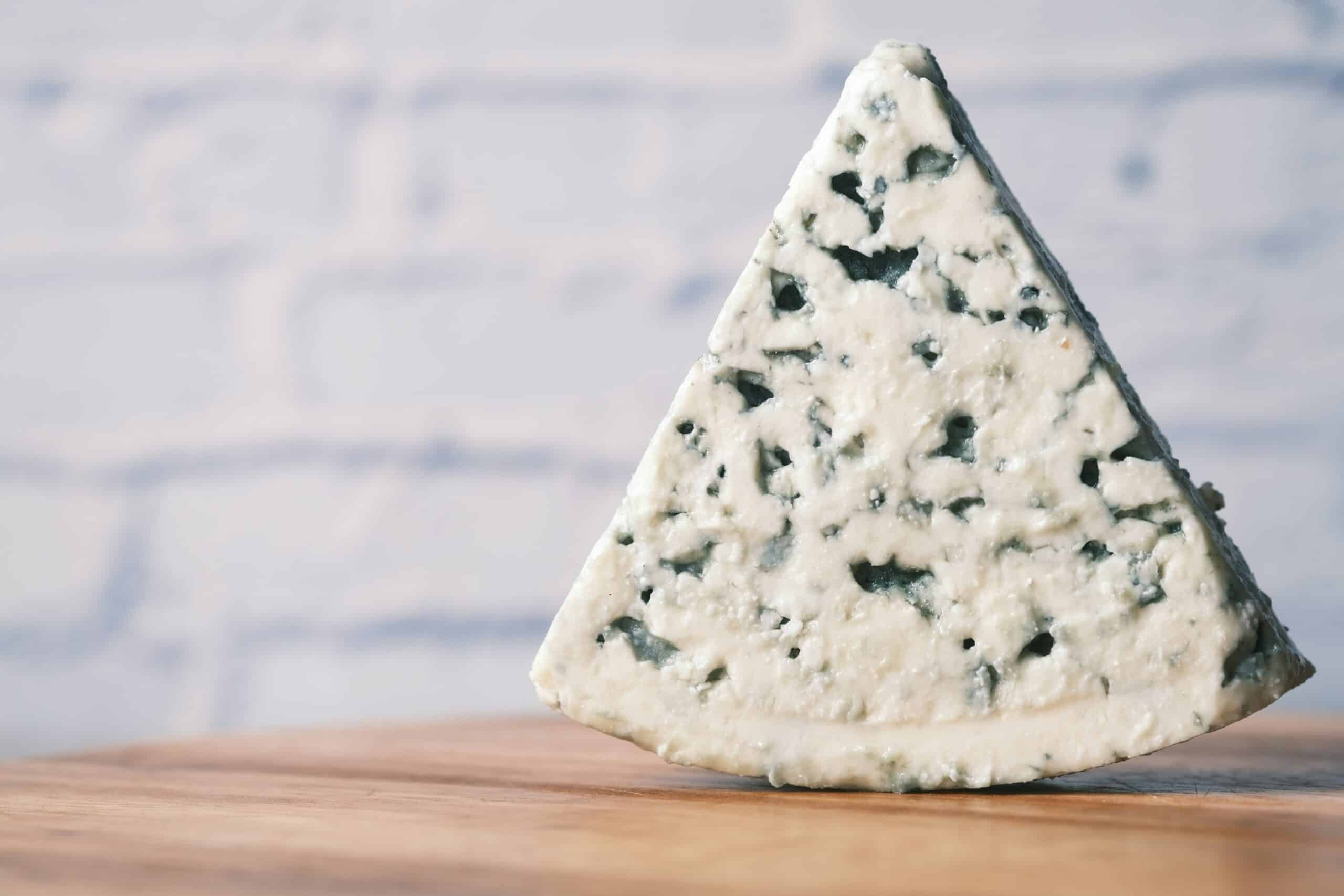
 Cheese is a delicate product shaped by microbiology, milk quality, equipment precision, and environmental factors. Even the most experienced cheesemakers occasionally face challenges—whether it’s an off-flavor, unwanted texture, or unsightly surface flaw.
This week, we explore common cheese defects, their causes, and most importantly—effective solutions to ensure your cheese meets the highest quality standards.
🔹 1. Flavor Defects
Flavor issues are some of the most noticeable defects and can turn a premium cheese into an unacceptable product. Common problems include bitterness, sourness, rancid notes, and even yeasty or putrid flavors.
Main Causes:
- Microbial contamination.
- Enzyme imbalance (proteolysis or lipolysis).
- Poor milk handling and hygiene.
- Improper fermentation conditions.
General Solutions:
- Ensure clean, fresh milk and proper cooling.
- Sanitize equipment thoroughly.
- Monitor pH and fermentation closely.
- Avoid over-ripening.
Your Solution:
Use Lyofast ST Regina starter culture. It supports balanced fermentation and contributes to a clean, desirable flavor profile in cheese, minimizing bitterness and sourness.
🔹 2. Texture Defects
Texture defines consumer experience—from a smooth Cheddar to a crumbly Feta. Defects here can include rubberiness, dryness, excess softness, or unwanted holes and gas formation.
Common Causes:
- Incorrect pH and temperature during processing.
- Over- or under-acidification.
- Unbalanced calcium content.
- Poor curd handling.
General Solutions:
- Monitor and adjust pH throughout processing.
- Use the correct amount of calcium chloride for firm coagulation.
- Ensure proper curd cutting, stirring, and pressing techniques.
- Use appropriate rennet types and dosages.
Your Solution:
- Reniplus NG 200G (3000 IMCU): A high-quality rennet for consistent coagulation and protein breakdown.
- Calcium Chloride:Improving curd firmness.
- Hanna Cheese pH Meter: Accurate pH tracking ensures consistent acid development, vital for proper texture.
🔹 3. Appearance Defects
First impressions matter—visual defects in cheese like mold spots, cracks, discoloration, and excessive surface whey can signal deeper issues and reduce marketability.
Causes Include:
- Poor sanitation and packaging.
- Inadequate pressing or brining.
- Uncontrolled humidity and temperature during storage.
- Contaminated milk or processing environment.
General Solutions:
- Maintain clean packaging and wrapping techniques.
- Control drying speed and humidity during aging.
- Store cheese under consistent, clean conditions.
- Turn cheeses regularly during ripening.
Your Solution:
- Antibiotic Test Kits: Check for antibiotic residues in milk that may interfere with fermentation and cause appearance issues.
- Lactometer & Butyrometer: Evaluate milk density and fat content—critical for consistent cheese structure.
- Thermometer: Essential for maintaining ideal milk processing and brining temperatures.
🛡️ General Preventive Measures
Maintaining cheese quality requires holistic control of the entire processing chain. Here are universal best practices every cheese processor should follow:
- Start With Quality Milk: Fresh, hygienic milk is the foundation. Avoid silage-fed milk when possible and test regularly.
- Sanitize Everything: From tanks and knives to packaging tables—cleanliness is non-negotiable.
- Monitor pH at Every Stage: Use accurate tools to track acidification from coagulation to salting.
- Control Temperature & Humidity: Ideal ripening environments prevent cracks, dryness, and mold growth.
- Use Trusted Cultures & Enzymes: Ensure cultures are stored correctly and used within recommended conditions.
- Train Staff: Consistency depends on well-trained operators following SOPs.
✅ Final Thoughts
Cheesemaking is as much science as it is craft. By understanding and addressing defects at their root—whether in milk, processing, or equipment—you can deliver consistently excellent products.
At Dairy and Food Consulting Limited, we offer not just technical ingredients and test kits, but real-world expertise to support your production. From starter cultures and rennets to pH meters and milk analyzers, our solutions are designed to help you succeed in every batch.